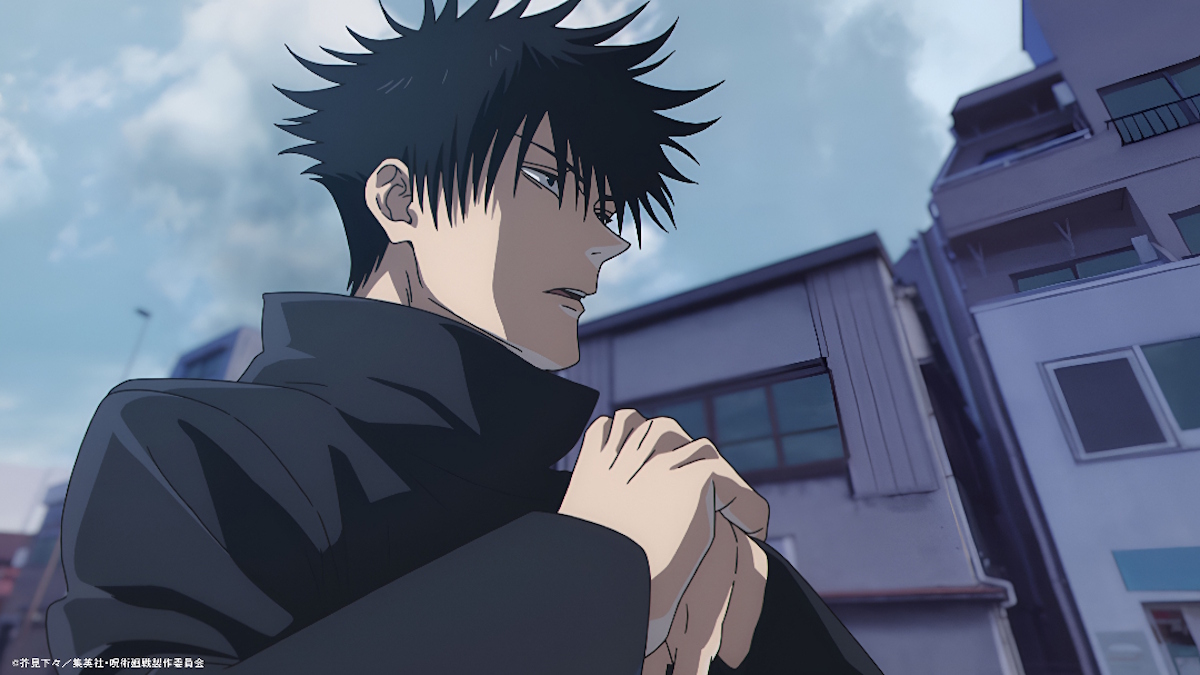
The world of Jujutsu Kaisen has always been one of brutal truths and tragic sacrifices. For fans following the exhilarating journey of Jujutsu Kaisen Modulo, a burning question dominates discussions and theories: Is Megumi Dead In Jjk Modulo? While the sequel series, set decades after the original, never explicitly shows his demise, the evidence accumulated across its chapters paints a heartbreakingly clear picture. Megumi Fushiguro, the stoic sorcerer who once stood alongside Yuji and Nobara, is almost certainly gone, leaving a void that resonates with the brutal reality of the jujutsu world.
The Silence Speaks Volumes: Megumi's Ominous Absence
Perhaps the most immediate and impactful piece of evidence pointing to Megumi's fate in JJK Modulo is his complete and utter absence from the narrative. Jujutsu Kaisen Modulo jumps forward 68 years after the original series' epic Shinjuku Showdown, introducing a new generation of sorcerers while still featuring a handful of familiar faces. Characters like Yuji Itadori and Nobara Kugisaki continue to play roles, albeit older and wiser versions of themselves. We even see mentions of Aoi Todo and the appearance of Ui Ui, reminding us of the original cast's enduring legacy. Yet, amidst these reappearances and nostalgic nods, Megumi Fushiguro, a character central to the original trio and Yuji's closest friend—his literal soulmate in the context of their shared battles and trauma—is conspicuously missing.
The narrative's silence regarding Megumi is deafening. When the new sorcerers are seeking out Yuji Itadori, there's no mention of trying to contact Megumi, despite his past importance. When characters reminisce about the old days or fallen comrades, his name simply does not come up. This isn't just an oversight; it's a deliberate narrative choice that speaks volumes. In storytelling, sometimes what isn't said is more powerful than what is. For a character so integral to the original series' emotional core and power dynamics, such a complete and unexplained disappearance strongly implies a permanent one. It's a somber confirmation for fans, indicating that Megumi's journey ended long before the events of Modulo began, rather than him simply retiring or living a quiet life off-panel.
The Ten Shadows Technique: A Legacy Passed On
Beyond his absence, the most definitive and chilling evidence regarding Megumi's fate comes directly from the intricate rules of jujutsu itself: the inheritance of the Ten Shadows Technique. This formidable and rare cursed technique, a hereditary ability of the Zenin clan, was Megumi's signature power, allowing him to summon and control ten shikigami, including the formidable Divine General Mahoraga. In JJK Modulo, a new character emerges who wields this very technique: Yuka Okkotsu, the granddaughter of fan-favorite sorcerers Yuta Okkotsu and Maki Zenin.
Chapter 15 of Modulo delivers a bombshell when Yuka Okkotsu not only demonstrates mastery over the Ten Shadows Technique but also successfully summons Divine General Mahoraga. This is a crucial detail. Megumi Fushiguro, despite his immense potential, never fully tamed Mahoraga during his lifetime; he could summon it, but its adaptation meant a suicide pact. Yuka's complete and seemingly effortless control over such a powerful shikigami strongly implies that she is its rightful and sole wielder. The Ten Shadows Technique, given its power and rarity, operates under strict inheritance rules, typically passing to a new user only after the previous wielder dies. While some techniques, like Projection Sorcery, have seen multiple users concurrently (e.g., Naobito and Naoya Zenin), the Ten Shadows is in a league of its own, coveted as a potential match for the Six Eyes and Limitless combination. This level of power is rarely, if ever, shared. For Yuka to possess such complete mastery, it signifies the conclusive end of Megumi's tenure as its user.
This passing of the torch, while a fantastic development for Yuka's character, carries immense emotional weight for fans of Megumi. It's a symbolic passing, confirming that his power, his legacy, now lives on through a new generation, but only because he is no longer there to wield it himself. This profound detail is perhaps the most concrete answer to the question, "Is Megumi Dead In Jjk Modulo?" For a deeper dive into this crucial evidence, consider reading JJK Modulo: Ten Shadows Inheritance Confirms Megumi's Fate.
The Brutal Math: Time and Age in JJK Modulo
Adding another layer of grim probability to Megumi's fate is the sheer passage of time within the JJK Modulo narrative. The series is set a staggering 68 years after the climactic Shinjuku Showdown of the original Jujutsu Kaisen. If Megumi were to have survived that long, considering his age during the original series, he would be approximately 83 or 84 years old by the time Modulo takes place. While not impossible for someone to live into their 80s, the life of a jujutsu sorcerer is anything but ordinary. It is a life fraught with danger, constant battles against cursed spirits and other sorcerers, and immense physical and mental strain.
Even if Megumi survived all the battles and traumas, reaching old age as a sorcerer would be an extraordinary feat. The physical toll of cursed energy manipulation, constant combat, and exposure to malevolent forces often leads to shortened lifespans or severe health complications. While age alone isn't a definitive confirmation of death, it certainly makes his passing by natural causes, or by some lingering consequence of his arduous life, far more plausible. His potential advanced age, coupled with the absence and the Ten Shadows inheritance, forms a compelling argument for his demise.
The Trauma That Broke a Soul: Megumi's Original Series Fate
To fully grasp the tragic nature of Megumi's likely death in JJK Modulo, one must reflect on the horrific events he endured in the original series, particularly during the Culling Game arc. Megumi's journey was characterized by his unwavering dedication to protecting his sister, Tsumiki. This protective instinct, however, became his greatest vulnerability. During a moment of profound despair, after witnessing his sister Tsumiki's body possessed by the ancient sorcerer Yorozu, Sukuna seized his opportunity. The King of Curses transferred from Yuji's body into Megumi's, trapping the young sorcerer within his own mind.
What followed was a harrowing ordeal. Sukuna performed "The Bath," an evil ritual designed to suppress Megumi's consciousness and gain absolute control over his body and the powerful Ten Shadows Technique. The ultimate torment came when Sukuna, using Megumi's own body and cursed technique, killed Yorozu – effectively killing Tsumiki's physical form before Megumi's own trapped eyes. The sister he had devoted his entire life to protecting died by his own hands, a psychological torment so profound it shattered his will. Megumi fell into a despair so deep that he ceased fighting for control, allowing Sukuna free rein.
Though Yuji Itadori, with the crucial aid of Nobara's final Black Flash to disrupt Sukuna's soul, managed to rescue his best friend, and Megumi ultimately regained control, the damage was irreversible. The original series concluded with Megumi alive, but severely traumatized, visiting Tsumiki's grave. While physically recovered, the psychological scars of witnessing such a horrific act, especially one he was forced to commit, would undoubtedly have lingered. Such profound trauma can significantly impact one's desire to live, their will to fight, and potentially even their physical health over the long term. This foundation of deep-seated pain and resignation provides a tragic context for his presumed passing before the events of Modulo.
The Lingering Grief: Hana Kurusu and Other Clues
Further subtle hints woven into the Modulo narrative also support the somber conclusion. In one instance, Nobara makes a passing mention of the recent death of Hana Kurusu, a character who developed strong romantic feelings for Megumi in the original series. While not directly about Megumi, this detail adds to the overall atmosphere of loss and reminds readers of the personal connections that were severed over the intervening decades. It paints a picture of a world where many beloved characters have met their end, some tragically, some simply due to the unforgiving march of time. The collective grief and the casual mentions of other deaths only amplify the conspicuous silence surrounding Megumi. For a more detailed look at all the pieces of the puzzle, check out Is Megumi Fushiguro Dead in JJK Modulo? Evidence Revealed.
The tragic truth for fans is that while Megumi Fushiguro's death is never shown on-panel in Jujutsu Kaisen Modulo, the cumulative weight of evidence makes his passing undeniable. From his complete absence in a story featuring many of his peers to the definitive inheritance of his unique Ten Shadows Technique by a new generation, the signs are clear. His probable death, whether by natural causes in his old age or as a lingering consequence of the profound trauma inflicted by Sukuna, serves as a poignant reminder of the relentless and often brutal nature of the jujutsu world. Megumi's story, while ending off-screen, resonates as one of the most heartbreaking arcs in the Jujutsu Kaisen universe, a testament to the heavy cost of sorcery and sacrifice.