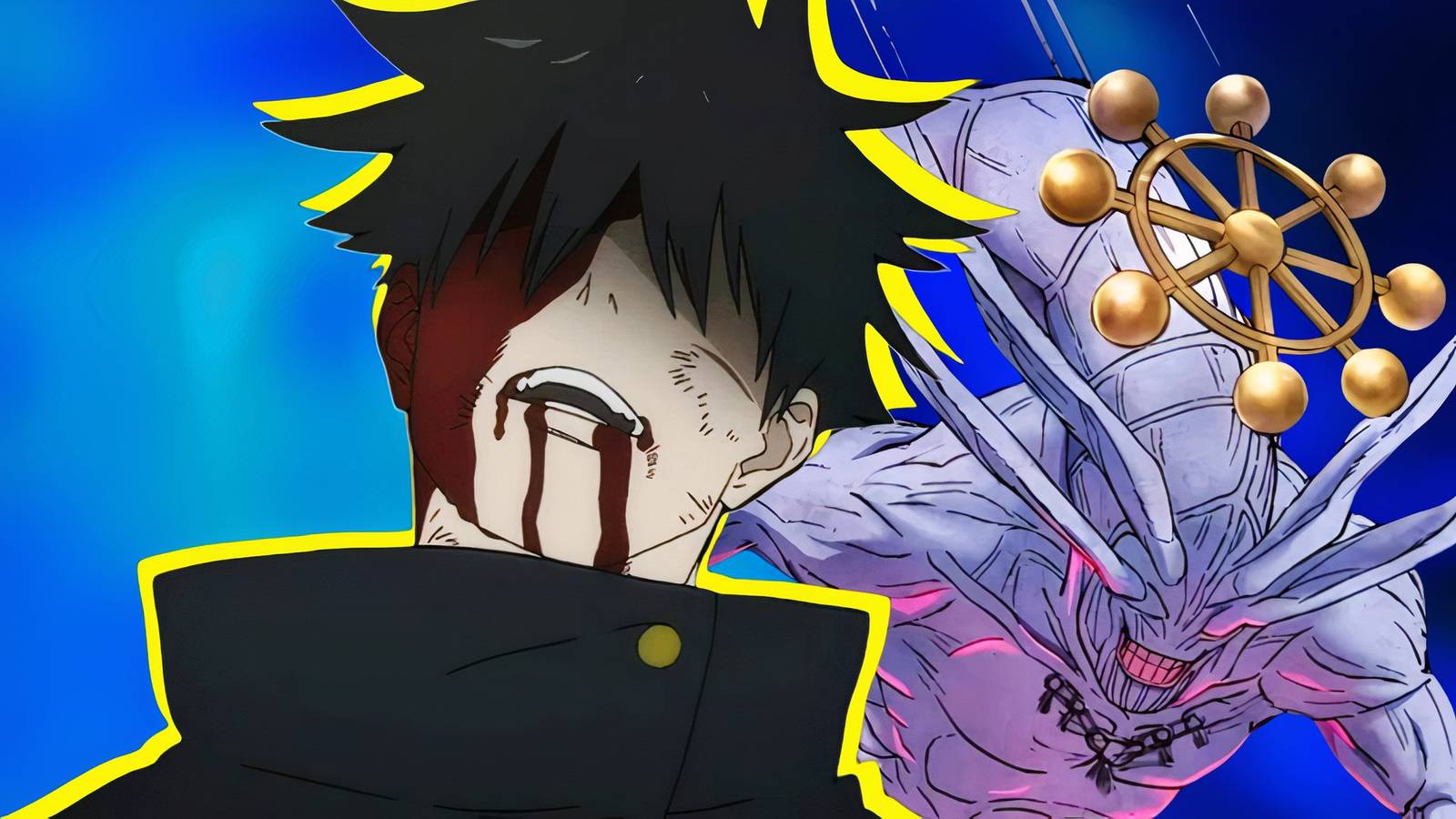
Is Megumi Fushiguro Dead in JJK Modulo? Unraveling the Tragic Evidence
For fans of the acclaimed Jujutsu Kaisen series, the mention of its official sequel, Jujutsu Kaisen Modulo, often sparks a burning question: Is Megumi Dead In Jjk Modulo? After surviving unimaginable trauma in the original series, many hoped for a brighter future for the stoic sorcerer. However, as the sequel unfolds, a heartbreaking truth emerges from the shadows. Set 68 years after the pivotal Shinjuku Showdown, JJK Modulo strongly, albeit indirectly, confirms that Megumi Fushiguro, once destined to be a central figure, has indeed passed away.
This revelation isn't delivered through a dramatic on-panel death scene, but rather through a meticulously woven tapestry of narrative clues, character reactions, and the immutable laws of cursed techniques. The evidence, when pieced together, paints a definitive and tragic picture for one of Jujutsu Kaisen's most beloved characters.
The Heartbreaking Verdict: Is Megumi Fushiguro Dead in JJK Modulo?
The short answer, devastating as it may be for many, is a resounding yes. Megumi Fushiguro is functionally dead within the timeline of Jujutsu Kaisen Modulo. This isn't just fan speculation; it's a conclusion drawn from concrete, in-universe evidence presented across the sequel's chapters. The journey from the end of the original series, where Megumi was alive but deeply scarred, to his confirmed absence and the implications of certain events in Modulo, is a testament to the passage of time and the brutal realities of the jujutsu world.
Megumi's story was always tinged with tragedy, from his complicated family lineage to his unwavering dedication to his step-sister, Tsumiki. His survival through the most harrowing arcs of the original series, particularly his ordeal with Sukuna, offered a glimmer of hope. But the leap nearly seven decades into the future forces fans to confront the natural—and sometimes unnatural—ends to even the most powerful sorcerers. His departure from the narrative is not just an aging character fading away; it's a significant narrative choice with profound implications for the world and its remaining heroes.
The Ten Shadows Technique: A Definitive Clue to Megumi's Fate
Perhaps the most compelling and undeniable piece of evidence confirming Megumi's death comes in Chapter 15 of Jujutsu Kaisen Modulo. Here, fans are introduced to Yuka Okkotsu, the formidable granddaughter of Yuta Okkotsu and Maki Zenin. What sets Yuka apart and serves as a crucial narrative bomb is her ability to summon none other than the Divine General Mahoraga, utilizing the highly coveted Ten Shadows Technique.
For any dedicated JJK fan, this immediately sends shockwaves. The Ten Shadows Technique is Megumi Fushiguro's signature, bloodline-inherited ability, unique to his lineage within the Zenin clan. Its power and rarity are legendary, considered by many to be on par with the combined might of the Six Eyes and Limitless techniques. The crucial detail here lies in the inheritance rules of such powerful cursed techniques. Typically, especially for bloodline abilities of this caliber, only one user exists at a time. The technique is usually passed down upon the previous wielder's demise.
Yuka's complete mastery of the Ten Shadows, including the summoning of Mahoraga—an feat Megumi himself only managed under extreme duress and never truly controlled—is a stark implication. It strongly suggests that the previous wielder, Megumi Fushiguro, is no longer among the living. While some might argue that other techniques, like Projection Sorcery, have had multiple users (e.g., Naobito and Naoya), the Ten Shadows is presented as an inherently singular, generational power, making Yuka's possession of it a near-definitive posthumous confirmation for Megumi. This critical piece of evidence is further explored in JJK Modulo: Ten Shadows Inheritance Confirms Megumi's Fate.
The Silence That Speaks Volumes: Megumi's Conspicuous Absence
Beyond the direct evidence of the Ten Shadows Technique, the overarching narrative of Jujutsu Kaisen Modulo is punctuated by Megumi's profound and unsettling absence. The series is set 68 years after the original, placing Megumi Fushiguro at an approximate age of 83-84 years old. While it's plausible for someone to live to that age, his complete non-presence in a world still grappling with cursed spirits and sorcerers speaks volumes.
Chapter after chapter, Megumi's name simply does not come up. When characters like Yuji Itadori—his best friend and, in many ways, his soulmate—are reminiscing or discussing the past, Megumi is conspicuously absent from their conversations. In contrast, other characters from the original series, such as Aoi Todo, are mentioned, and even Ui Ui makes an appearance. When new generation sorcerers search for Yuji, there's no attempt to contact Megumi, who would undoubtedly have been a high-ranking and influential sorcerer had he still been active.
This persistent silence is not accidental; it's a deliberate narrative choice designed to convey his absence from the world. If Megumi were alive, even if retired or in hiding, his legacy, his connections, and his very existence would surely be acknowledged by the surviving characters, especially Yuji. His close bond with Yuji makes his complete lack of mention particularly jarring. This compelling aspect of the narrative is meticulously detailed in Megumi's Absence in JJK Modulo: The Tragic Truth for Fans.
Adding another layer to this somber atmosphere is the revelation in Chapter 13 that Hana Kurusu, who developed deep romantic feelings for Megumi, has also recently died. While not direct evidence of Megumi's fate, it contributes to the sense of an era passing, with many of its key figures succumbing to the passage of time or the enduring dangers of the jujutsu world.
The Weight of Past Trauma: What Led to This Fate?
While JJK Modulo takes place decades later, it's impossible to ignore the profound trauma Megumi endured in the original series, which likely set the stage for his eventual demise, whether natural or otherwise. His worst nightmare came true during the Culling Game arc when Sukuna exploited his most vulnerable moment—after witnessing his sister Tsumiki's body possessed by Yorozu—to transfer from Yuji's body into Megumi's.
The King of Curses then performed "The Bath," a vile ritual designed to suppress Megumi's consciousness and gain absolute control over his body and, crucially, the Ten Shadows Technique. What followed was uniquely horrifying: Sukuna, using Megumi's own body and cursed technique, killed Yorozu, which meant directly killing Tsumiki's physical form. The sister Megumi had devoted his entire life to protecting died by his very own hands.
This unimaginable trauma pushed Megumi into an abyss of despair, causing him to relinquish his will to fight for control of his own body. While Yuji Itadori, with Nobara's crucial help, eventually succeeded in separating Sukuna's soul, allowing Megumi to regain control, the psychological scars would have been immense. The original series concluded with Megumi alive—deeply traumatized but beginning the long road to healing, visiting Tsumiki's grave. However, decades of carrying such an immense burden, compounded by a life of relentless combat as a sorcerer, could easily have taken a severe toll, potentially shortening his life or leading to a peaceful, albeit early, death compared to his remaining comrades. The echoes of Sukuna's torment undoubtedly lingered, a silent testament to the price of being a jujutsu sorcerer.
Conclusion: Megumi Fushiguro's Tragic Legacy in JJK Modulo
The evidence, both direct and circumstantial, paints a clear and poignant picture: Is Megumi Dead In Jjk Modulo? Yes, Megumi Fushiguro is no longer alive in the sequel series. The definitive transfer of the Ten Shadows Technique to Yuka Okkotsu, combined with his complete and utter absence from the narrative despite his critical role in the original series and his deep connections to surviving characters like Yuji, leaves little room for doubt. His probable death marks a significant shift in the JJK universe, underscoring the relentless march of time and the heavy toll that a life of jujutsu sorcery can demand. While his end may not have been explicitly shown, his legacy, his sacrifices, and the indelible mark he left on his friends and the jujutsu world continue to resonate, shaping the future of Jujutsu Kaisen Modulo in profound and melancholic ways.